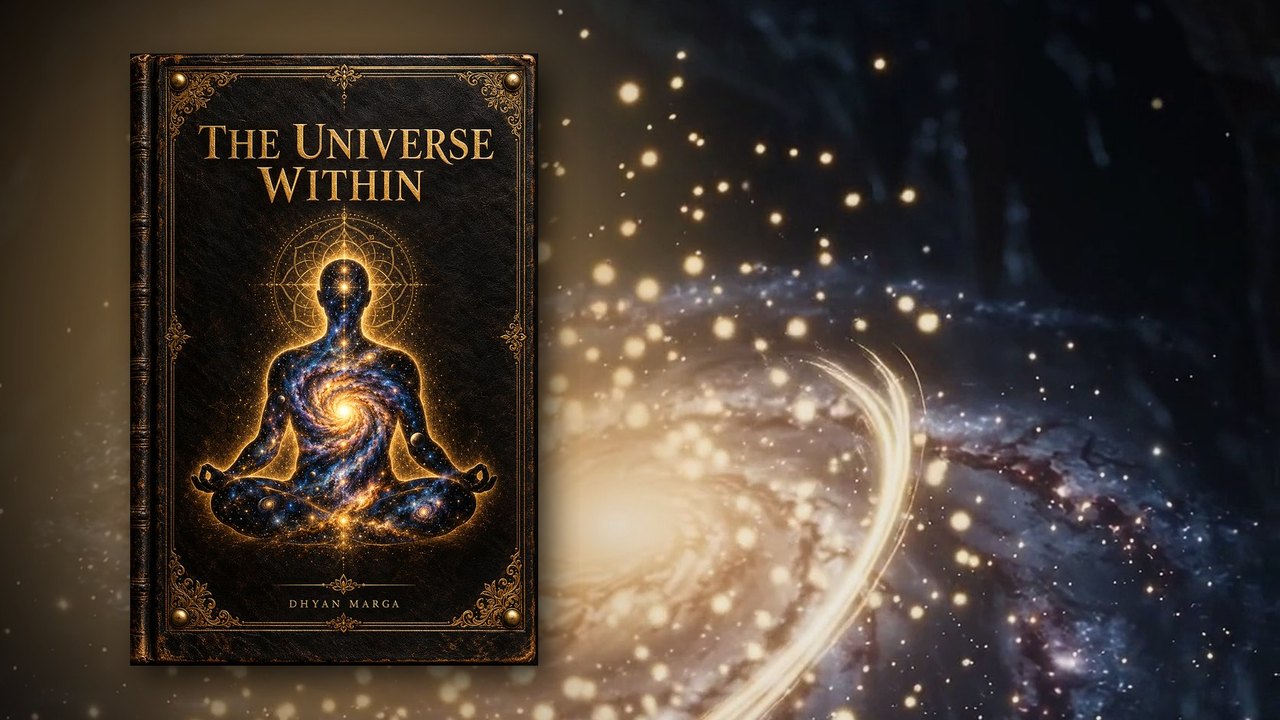
Brahma Muhurta
There is an hour before sunrise when the world has not yet started asking anything of you. This is a guide to using it.
A sacred space, entirely your own
A meditation room like no other.
Mantra, breath, light and sacred sound — held together in one quiet experience, made for the seeker.
Before 2027 begins, give yourself one quiet daily practice.
Your name stays only in this browser · Practise whenever you wish
For the best experience, use headphones or earphones.
Because it is not a sound you make — it is the one already running. So as the breath comes in, ham as it leaves: the oldest syllable in existence, moving inside you every moment, whether you attend to it or not. And it goes on sounding through this universe for ever, whether anyone is here to hear it or not. Six times a minute the circle rises and falls, and breath and heartbeat quietly come into one rhythm.
Everyone, without a single exception. So‑ham is ajapa — the mantra nobody has to say. No teacher gives it, no order withholds it; caste, gender, language and belief are all beside the point. If you are Christian it carries you toward your own God; if Muslim, it brings you face to face with your own Allah; if Sikh or Hindu, it joins you to your own Rab, your own Ishwar. And if you believe in nothing at all, it still carries you home to yourself. The Creator placed it inside every chest before sending anyone here — the whole work is only to recognise it.
The soul dissolving into the Supreme — your own self seen at last, with nothing left in between. There is nothing above this; every knot inside comes loose here, and every pain finds its answer here.
Only one thing was ever missing: a quiet meditation room that is truly your own — and almost nobody finds one, or finds the hour for it. DhyanMarga has ended that. Your meditation room now opens wherever you are standing, at any hour you choose. All you need is headphones or earphones.
What you actually get A room that breathes with you — So as the breath comes in, ham as it goes out. You can begin with just two minutes; no earlier practice, guru or initiation is needed. And if you wish to go further, there are twenty-one guided mornings, each with its own page to fill in. Wherever you are and whenever you wish, you can enter meditation—even if you have only two or five minutes.
What this is
Not a philosophy course. A daily instruction — what to do, when, and for how long — for twenty-one mornings.
01
Roughly 4 to 6 in the morning. The traditions call it Brahma Muhurta. It is quiet not by rule but by circumstance — the world is still asleep, the phone is silent, and the day has not yet settled on the mind. On the mornings you simply cannot rise, the guide has a way for those days too.
02
Sitting, breath, attention. Each of the twenty-one days has its own short instruction, and each builds on the one before. Each morning tells you how to sit, how to watch the breath, which japa to do and for how long — and at the end, a small page to fill in with your own hand.
03
The mind will wander. Coming back is the practice — not staying. The guide says what to do when it does — without scolding yourself, as one gentle return after another.
21-Day Brahma Muhurta Sadhana Guide
Choose your language
Each guide is written in its own language — not translated word for word. Choose the one you think in.
 हिन्दीHindi
सूर्योदय से पहले का वह एक घंटा — जो अब भी किसी ने माँगा नहीं है।
 EnglishEnglish
The hour before sunrise, before the world asks anything of you.
 Deutsch (German)German
Die Stunde vor Sonnenaufgang, bevor die Welt etwas von dir will.
 Français (French)French
L'heure qui précède l'aube, avant que le monde ne vous demande quoi que ce soit.
 Português (Portuguese)Portuguese (Brasil)
A hora antes do nascer do sol, antes que o mundo peça qualquer coisa a você.
 தமிழ்Tamil
விடியலுக்கு முன், ஒரு அமைதி.
 తెలుగుTelugu
తెల్లవారుజామున, ఒక నిశ్శబ్దం.
 മലയാളംMalayalam
പുലർച്ചയ്ക്ക് മുൻപ്, ഒരു നിശ്ശബ്ദത.
 ਪੰਜਾਬੀPunjabi
ਸੂਰਜ ਚੜ੍ਹਨ ਤੋਂ ਪਹਿਲਾਂ ਦੀ ਉਹ ਘੜੀ, ਜੋ ਅਜੇ ਵੀ ਤੁਹਾਡੀ ਉਡੀਕ ਵਿੱਚ ਹੈ।
Nine nights, nine goddesses, one practice for each night. Open it in your own language.
Being written
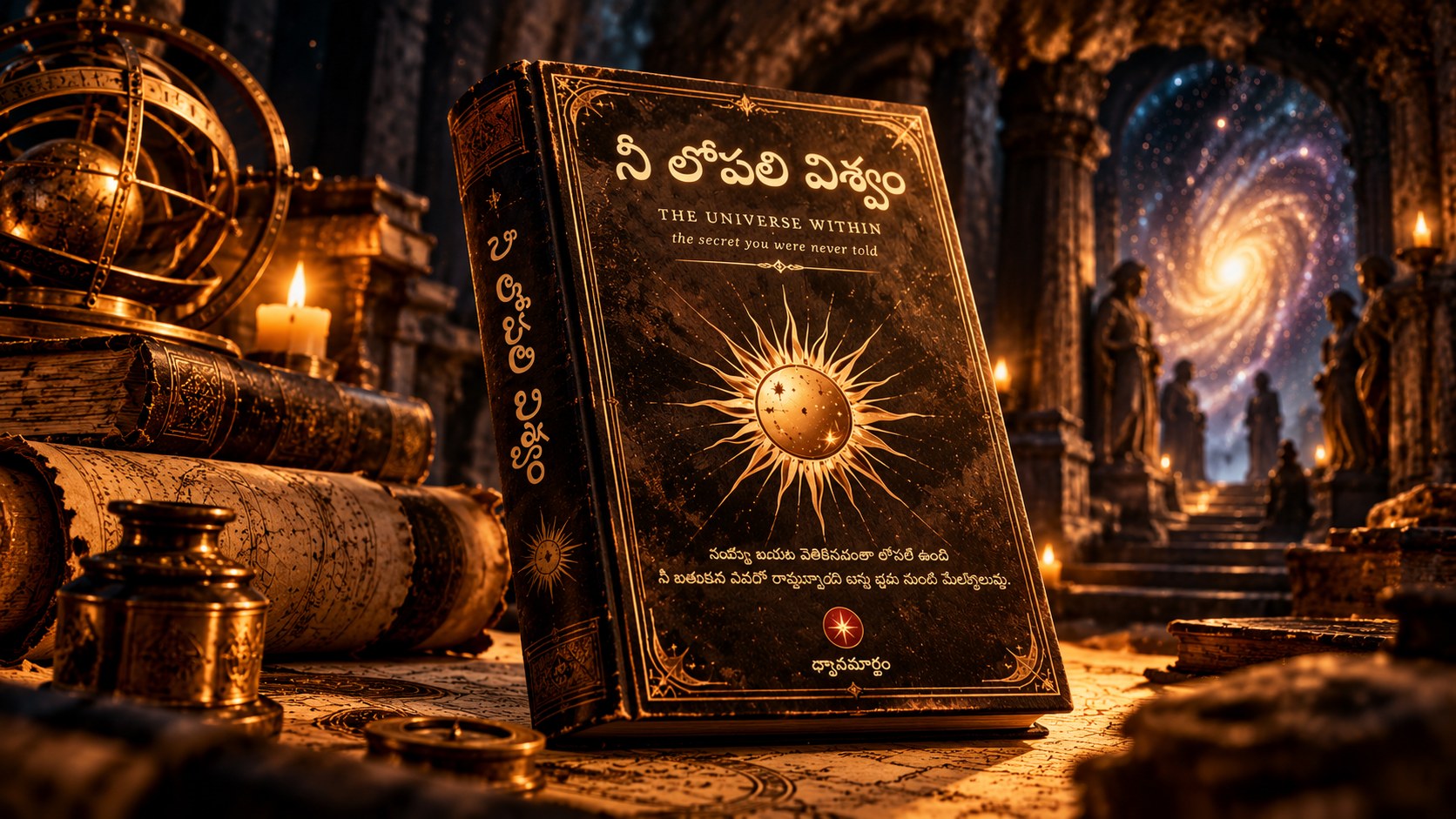
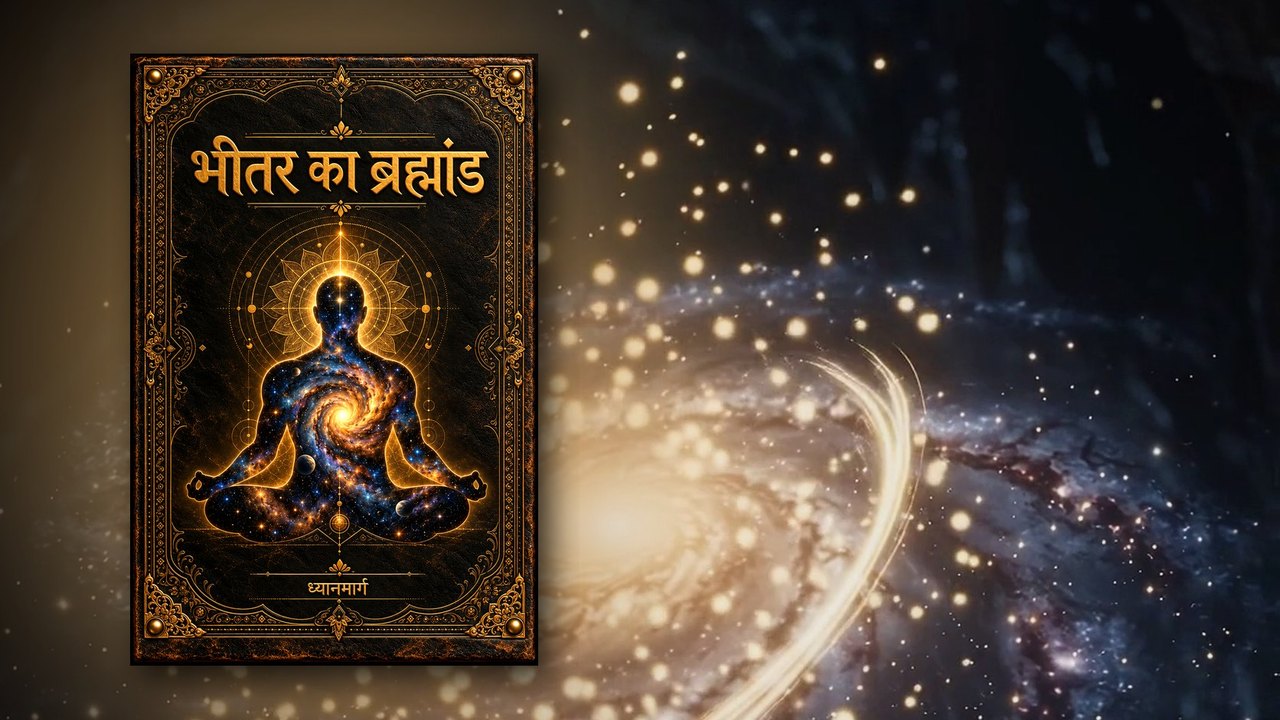
One volume at a time. Nothing is published here until every claim inside it has been traced back to the text it says it came from.
Twenty‑one mornings. The real arithmetic of Brahma Muhurta, the three kinds of japa, the sitting posture, and what to do on the days you cannot get up. Written separately in six languages — never translated word for word.
Pranayama written honestly: what each practice does, what it does not do, and the conditions under which it should not be attempted at all. Most guides leave that last part out.
Ayurveda where it actually lives — in food, season and sleep, not in powders sold in bottles. Ordinary ingredients, ordinary days.
Mantra as attention‑training. Where each one comes from, what the syllables mean, and why the tradition was so particular about the count.
There is no mailing list and nothing to subscribe to. When a volume is finished it appears on this page and on the channels below.
Why this exists
DhyanMarga was made for the seeker who has no teacher, no guru, and no private space to sit in.
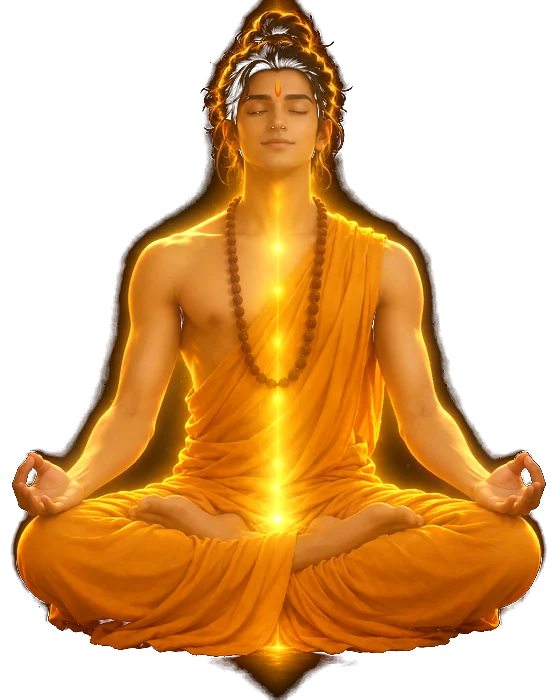
You do not need a separate room or a quiet corner. Wherever you are — travelling in a bus, at your desk, walking in the evening, sitting with your family, or lying down — you can step into this room. All you need is a pair of headphones. Put them on and the room opens. Press start, stay with the meditating figure, and the mind begins to settle; slowly you start to feel your own connection with nature and with the universe, and your life begins to change.
This platform was built for the good of others. Nothing is charged for it. It is completely free — although lakhs of rupees went into making it.
Enter the roomInside the guide
One document, yours to keep. It opens the moment you buy it.
A separate instruction for each morning, in order.
Twenty-one boxes. Mark them yourself, on your own device.
So‑Ham, the mantra nobody taught you, written out step by step.
Chapter and verse for each claim — nothing invented.
What to do on the mornings you do not want to get up.
No waiting, no shipping, no course login to remember.
Write to us
A suggestion, a complaint, a link that will not open, or a payment taken twice — write it here. It reaches a person, not a queue.